Cart is empty
more_horiz

-
 See all ...View our full range of attractions, activities and destinations ...
-
- Michelangelo's David
- Uffizi Gallery
- Florence Cathedral
- Palazzo Vecchio
- Pitti Palace
- Boboli Gardens
- Vasari Corridor
- Bargello
- Santa Croce
- Brancacci Chapel
- Medici Chapels
- Florence tours
- Walking tours
- Art tours
- Segway tours
- Bicycle tours
- Bus tours
- Cooking course
- Wine tasting
- Florence excursions
- Airport shuffle
- Train tickets
- Colosseum tickets
- Colosseum tours
- Colosseum dungeons
- Colosseum by night
- Vatican tickets
- Vatican tours
- Private Vatican tours
- St Peter's Basilica
- Borghese Gallery
- Domus Aurea
- Caracalla baths
- Castel sant'Angelo
- Palazzo Valentini
- Roman catacombs
- Rome tours
- Rome private tours
- Rome Segway
- Rome by bike
- Rome bus tours
- Train tickets
-
-
FlorenceNew OffersFlorence, 'Cradle of the Renaissance', home to Michelangelo's David, the Uffizi Gallery ...
-
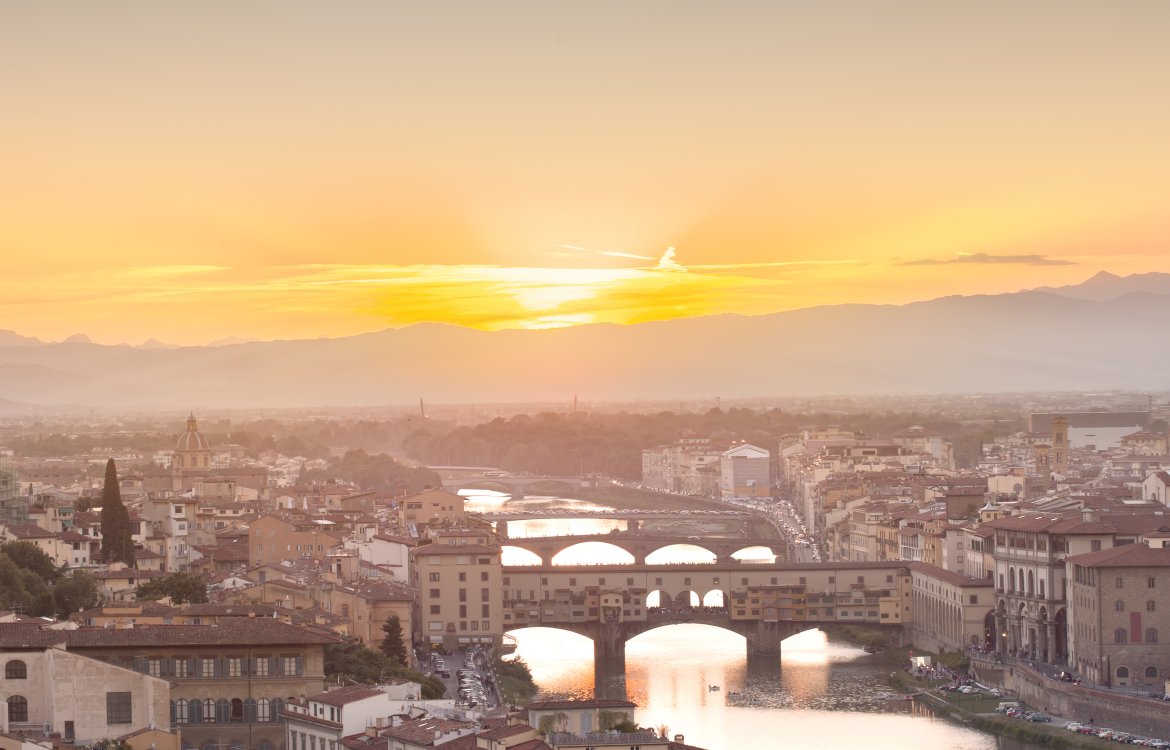 Discover Florence
Florence - Firenze - is many things; the heart of Tuscany, a Renaissance jewel, a true city of art. It's home to the Uffizi, one of the oldest museums in the world, and the Accademia, home to one of the most famous statues in the world - David. The incredible Cathedral - Duomo dominates the skyline, with Brunelleschi's fabulous dome - cupola, and Giotto's mighty clock-tower - campanile.
Background, must-sees and map of Florence, "Cradle of the Renaissance":
Explore Florence
-
-
RomeLate dealsRome, the 'Eternal City', explore the Colosseum, The Roman Forum, the jewels of Ancient Rome ...
-
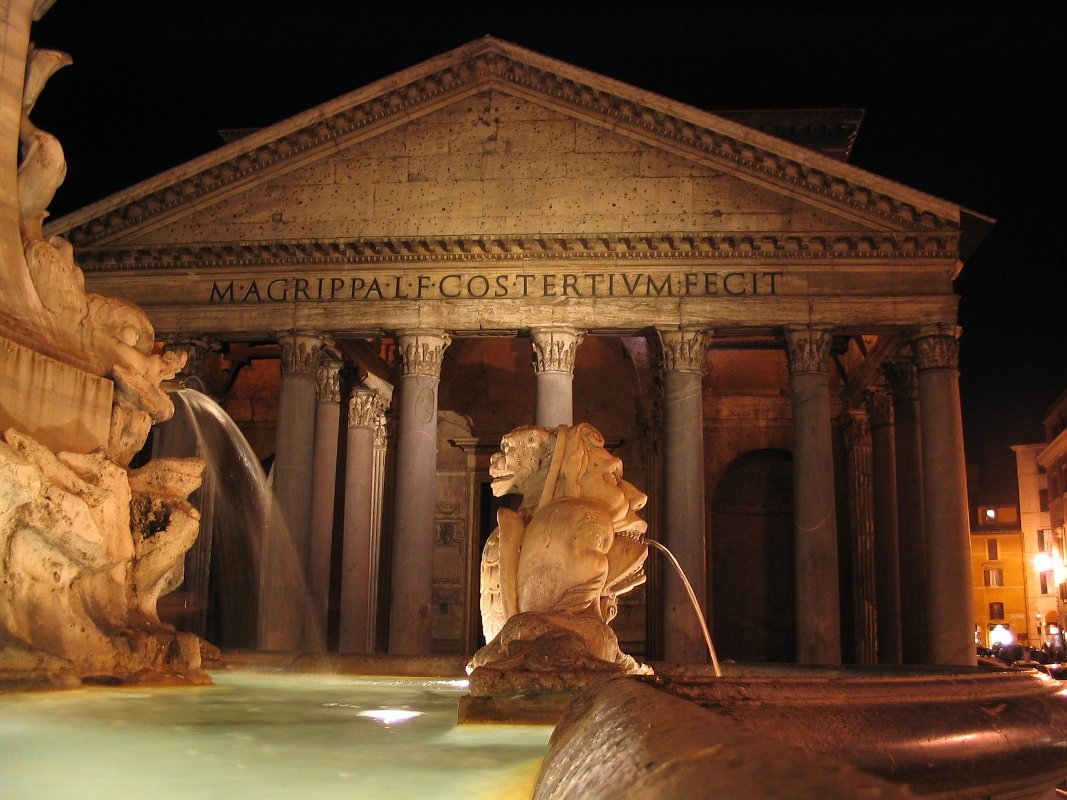 Discover Rome
Rome - Roma - is the Classical city of the Forum, the Pantheon and the Colosseum. It is pagan temples, early Christian Churches, Renaissance Basilicas, the Vatican of course. Rome is an architectural masterclass in the Classical, the Romanesque and all flavours of Gothic architecture, of the Baroque. And it is the romantic city of the Trevi Fountain and the Spanish Steps.
Background, must-sees and map of Rome, "The Eternal City":
Explore Rome
-
-
The VaticanSkip the linesThe Vatican and St Peter's, home of the Catholic Church and the treasures of the Vatican Museums ...
-
VeniceVenice, the floating city. Wonder at the Doge's Palace, St Mark's Square, and explore the canals by gondola ...
-
MilanLast Supper ExclusivesMilan, home of fashion, the fabulous Gothic Duomo, and, of course, Leonardo da Vinci's Last Supper ...
-
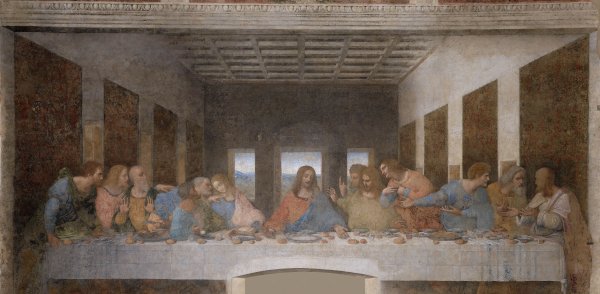 Da Vinci's Last SupperWe have specialised in Last Supper
tickets and tours for over 15 years.
Availability is always limited and
advanced booking is essential.
Check availability
-
-
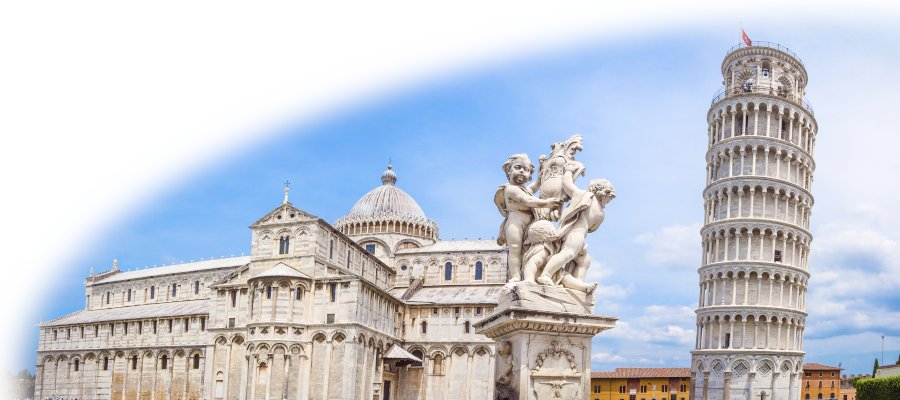
PisaSkip the linesPisa, home to the must-see Leaning Tower of Pisa and the nearby annual Andrea Bocelli concert.
-
Tailor-made Private ToursCustom private tours and excursions on request
 See all ...
 Florence


 Rome
Rome


 The Vatican


 Venice


 Milan
Milan


 Pisa
Pisa


 Tailor-made Private Tours
- Best sellers:
- Tailor-made tours
- David, Florence
- Uffizi Gallery
- Vatican
- Last Supper
- Pisa Tower
The Vatican - visitor information for the Stanze di Raffaello
Tickitaly are official agents for the Vatican and offer Vatican tickets as well as both group and private Vatican tours You may also be interested in our FAQ page where we attempt to answer all your questions on visiting the Vatican.
Book Vatican tickets Book Vatican tours
[Back to main menu for Vatican visitor information]
Stanze di Raffaello
The Stanze di Raffaello, or Raphael Rooms were created over the last 12 years of the artist's short life. Summoned to Rome by Pope Julius II in 1508, the Florentine artist was given the job of decorating the pontiff's private apartments. These rooms, the Stanza di Constantino, Stanza di Eliodoro, Stanza della Segnatura and Stanza Incendio now form a fascinating part of the Vatican Museums, collectively the 'Raphael Rooms', with frescoed walls and hung paintings.
The Stanza di Constantino is more accurately 'after Raphael', painted to his designs but completed by his students, Francesco Penni, Giulio Romani and Raffaello del Colle, between 1525 and 1531. Raphael himself (variously known as Raffaello da Urbino, Raffaello Santi and Raffaello Sanzio) had died 'from the excesses of love' in 1520 at the age of just 37. Penni and Romani created the huge Battle of the Milvian Bridge, here. Into the Stanza di Eliodoro and we first see the work of Raphael himself, with his characteristically soft yet precise use of paint asserting the rise and supremacy of the Roman Catholic Church. We have the Expulsion of Hediodorus from the Temple (a supremely lifelike depiction of the horseman and flying men here) which works in Julius II, Raphael and his pupil Romano into one corner.
Miracles were routinely used to bring waverers back into the fold in medieval Europe of course, and The Mass of Bolsena depicts the miracle of a doubting German priest being reconvinced by a bleeding communion wafer. There is a portrait of Julius here, the Deliverance of St Peter (with fine use of chiaroscuro anticipating the later Caravaggio), and Leo I Repulsing Attila the Hun.
Into the Pope's study, the Stanza della Segnatura - this was Raphael's first work in Rome, completed during 1508-1511. The School of Athens is the masterwork, depicting all antiquity's greatest minds, including Plato, Aristotle and Diogenes. Here we see the triumph of science and philosophy - under the arch of a Catholic religious authority of course.
The Stanza Incendio is the last room, and the last of his work, dedicated to Julius's successor, Leo X. The balance shifts again, with Perugino (Raphael's teacher) painting the ceiling, and his pupils (mainly Giulio Romano) completing the frescoes, including Fire in the Borgo.
Tickitaly are official agents for the Vatican and offer individual ticket booking as well as both group and private tours - click here for information on arranging a private tour for you and your party, and click here for information on joining a group tour of the Vatican.

Why Tickitaly?
| Based in Italy for 15+ years. Local knowledge, local contacts. We're here to help. | |
| Transparency. All tickets are full-entrance with no extras to pay! | |
| Availability - we'll often get you in when availability elsewhere is exhausted. | |
| Trust - we've been working with suppliers and guides for ever! Over 10,000 reviews with an average of almost 5 out of 5! |
Payments
We use industry standard Stripe for all-secure payments.
You'll be charged nothing until we have confirmed your tickets and tours.
All prices are displayed in full - there are no additional charges 'on-site' and you will be arriving with the confidence of carrying fully-paid tickets.
Customers also liked
Tickitaly is a Licensed Italian Travel Agency
Registered at the Florence Chamber of Commerce
P.IVA 05144650487
Questions?
Payments
We use industry standard Stripe for all-secure payments.
You'll be charged nothing until we have confirmed your tickets and tours.
All prices are displayed in full - there are no additional charges 'on-site' and you will be arriving with the confidence of carrying fully-paid tickets.
© 2002-2024 tickitaly.com. Made in Italy